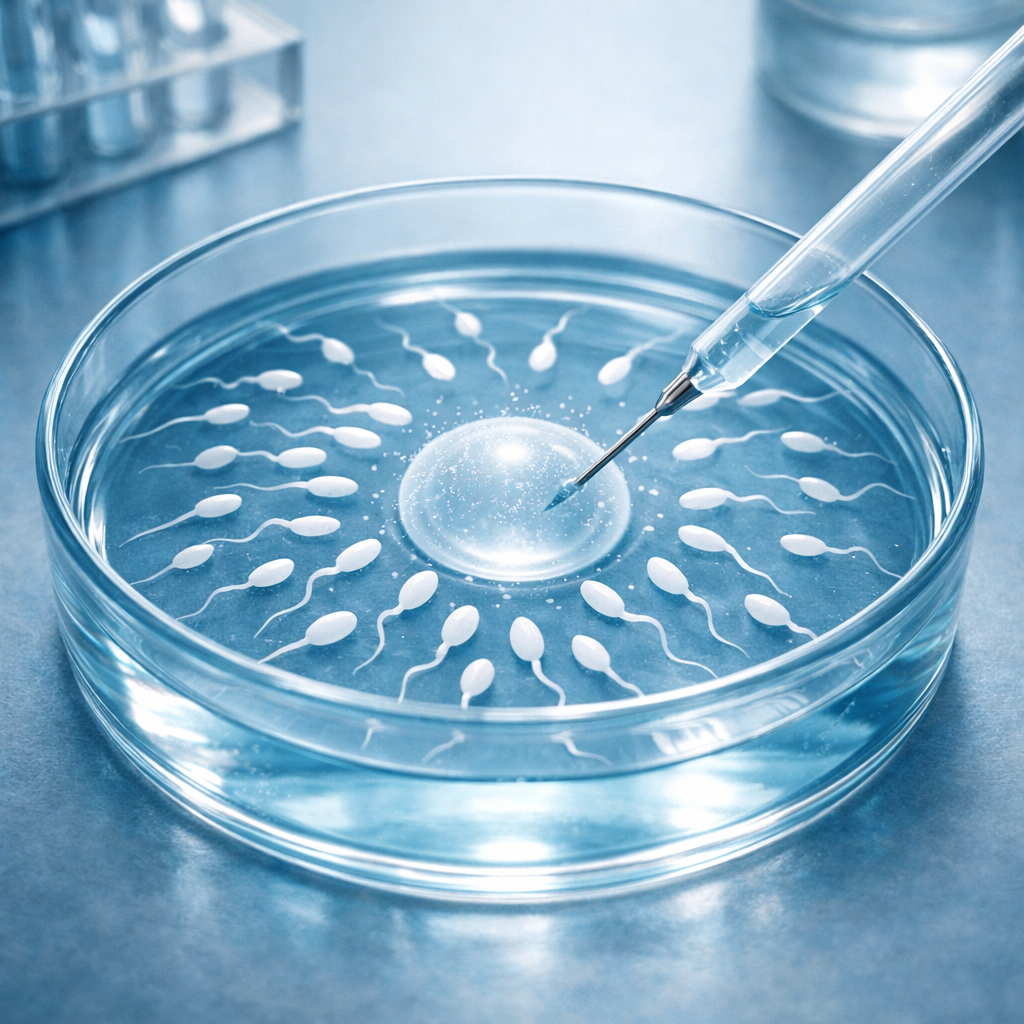
In Vitro Fertilization (IVF) is an advanced fertility treatment that helps achieve pregnancy using modern medical technology. The process involves stimulating the ovaries to produce eggs, collecting healthy eggs, fertilizing them with sperm in a laboratory, and then transferring the resulting embryo into the woman’s uterus to establish pregnancy.
IVF is one of the most effective forms of assisted reproductive technology. It can be performed using the couple’s own eggs and sperm, or with the help of donor eggs, donor sperm, or donor embryos if required. In certain situations, a gestational carrier may carry the pregnancy when the embryo is transferred into her uterus.
Each IVF cycle offers a woman approximately a 1 in 5 chance of achieving pregnancy and having a baby. Success rates are higher for women under the age of 35 and gradually decline with increasing age. By the age of 44, the chance of success drops to less than 1 in 5.

With centers across the region, EVA IVF is committed to providing local communities with accessible, high-quality, and compassionate fertility care wherever you are.
At EVA IVF, ICSI, is more than a medical procedure it is a journey of hope, resilience, and emotional strength. For many couples, it represents a second chance to build the family they have always dreamed of. With compassionate care, personalized support, and advanced technology, EVA IVF continues to be a guiding light of possibility in the field of reproductive health.
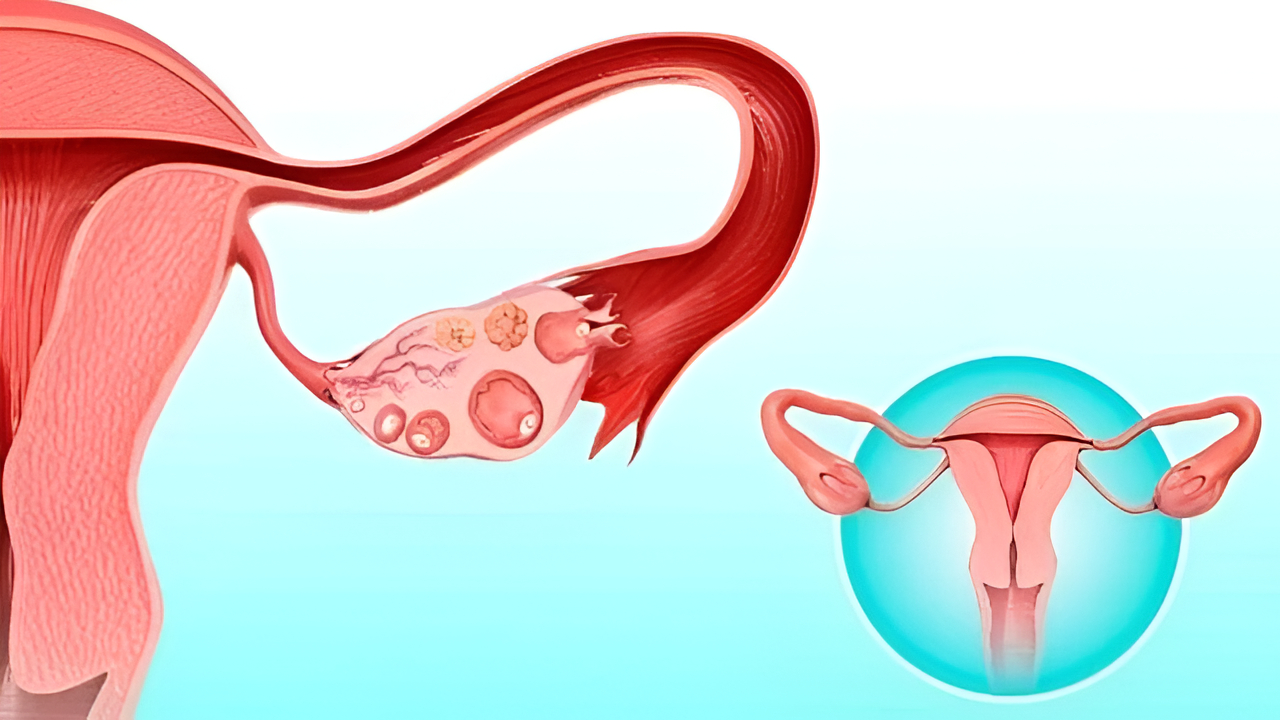
Ovulation induction is a process where injectable medicines are used at the start of the menstrual cycle to stimulate the ovaries to produce multiple eggs, support proper egg maturation, and prepare the uterus for pregnancy.
Egg retrieval is a quick, painless procedure performed under anesthesia that takes about 30 minutes. A thin needle is used to collect mature eggs from the ovaries, which are then sent to the lab for further treatment. Patients recover comfortably shortly after the procedure.
Insemination is the process where healthy sperm is combined with selected eggs in a controlled lab environment for fertilization, often using the ICSI method to improve chances of pregnancy.
Embryos begin forming about 17 hours after fertilization and are closely monitored for 3–5 days to reach the blastocyst stage, though not all develop successfully.
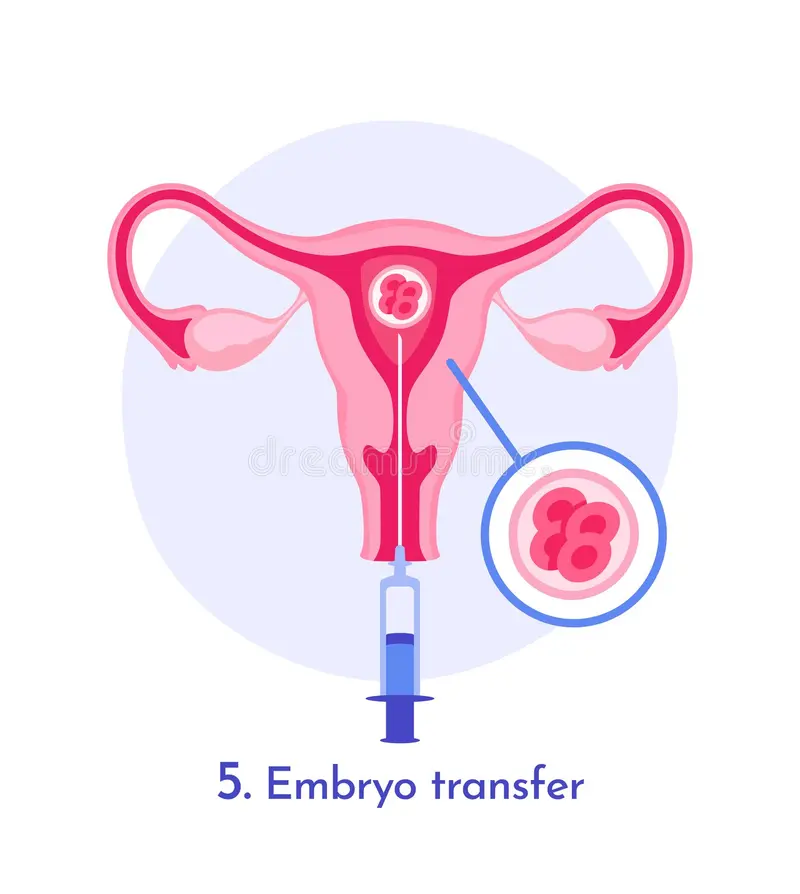
Embryo transfer is a simple, painless procedure done on day 3 or 5, where a developed embryo is placed into the uterus using a thin tube, and the patient can resume normal activity immediately.
Schedule a consultation with our fertility experts and take the first step toward your parenthood journey.
Schedule a consultation with our fertility experts and take the first step toward your parenthood journey.
Schedule a consultation with our fertility experts and take the first step toward your parenthood journey.
Schedule a consultation with our fertility experts and take the first step toward your parenthood journey.
Schedule a consultation with our fertility experts and take the first step toward your parenthood journey.
Eva IVF is a world-class fertility center committed to patient-first care. We provide advanced fertility treatments using the latest technology in a warm, comfortable, and homely environment. Our mission is to help our clients achieve their dream of becoming happy parents.