
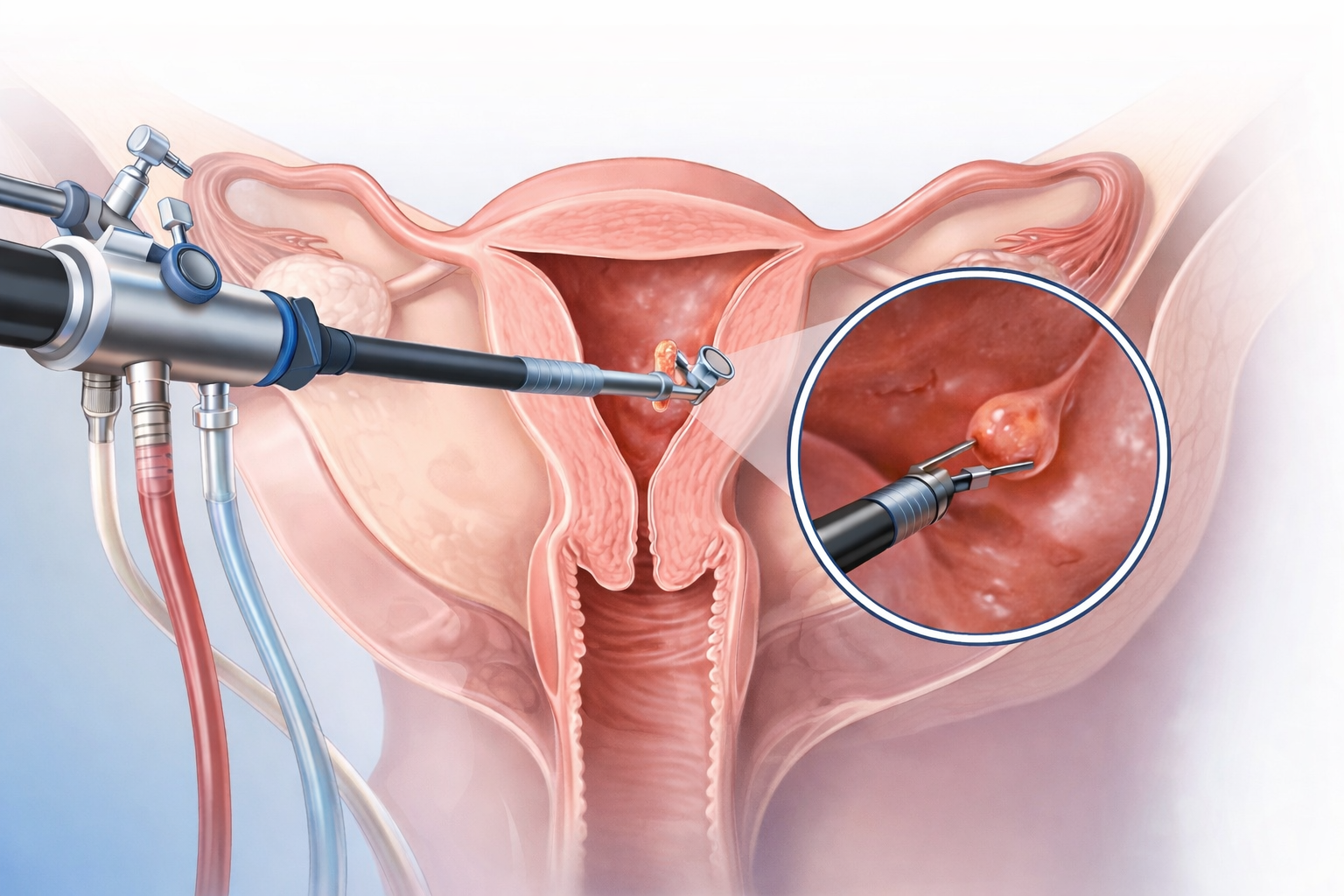
Advanced hysteroscopy is a minimally invasive procedure that allows doctors to directly examine the inside of the uterus using a thin, lighted instrument.
It helps accurately diagnose conditions like polyps, fibroids, adhesions, or other abnormalities that may affect fertility or cause abnormal bleeding. In some cases, minor issues can be treated during the same procedure.

With centers located across the region, we are committed to providing every community with excellence, accessibility, and compassionate care wherever you are.
Diagnostic Hysteroscopy:
Used to examine the uterus and identify issues such as abnormal bleeding, fibroids, or polyps.
Operative Hysteroscopy:
Performed to treat the abnormalities found during diagnosis, including removing fibroids, polyps, or adhesions. Advanced hysteroscopy can often combine both diagnostic and operative steps in a single session, ensuring faster and more complete treatment.
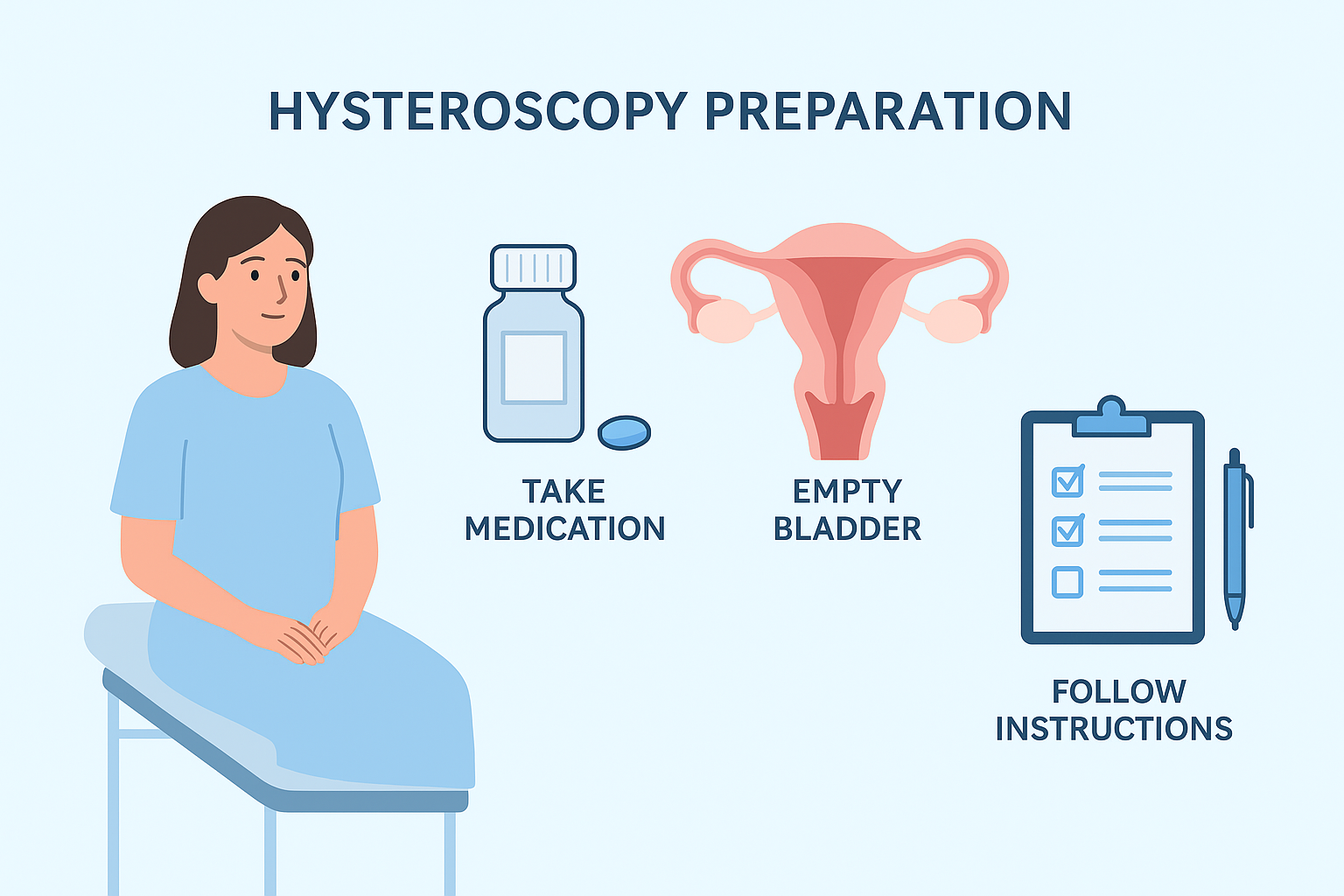
Before the procedure, your doctor may perform blood tests or ultrasounds. You may receive mild sedation or anesthesia. The cervix is gently prepared for the scope.
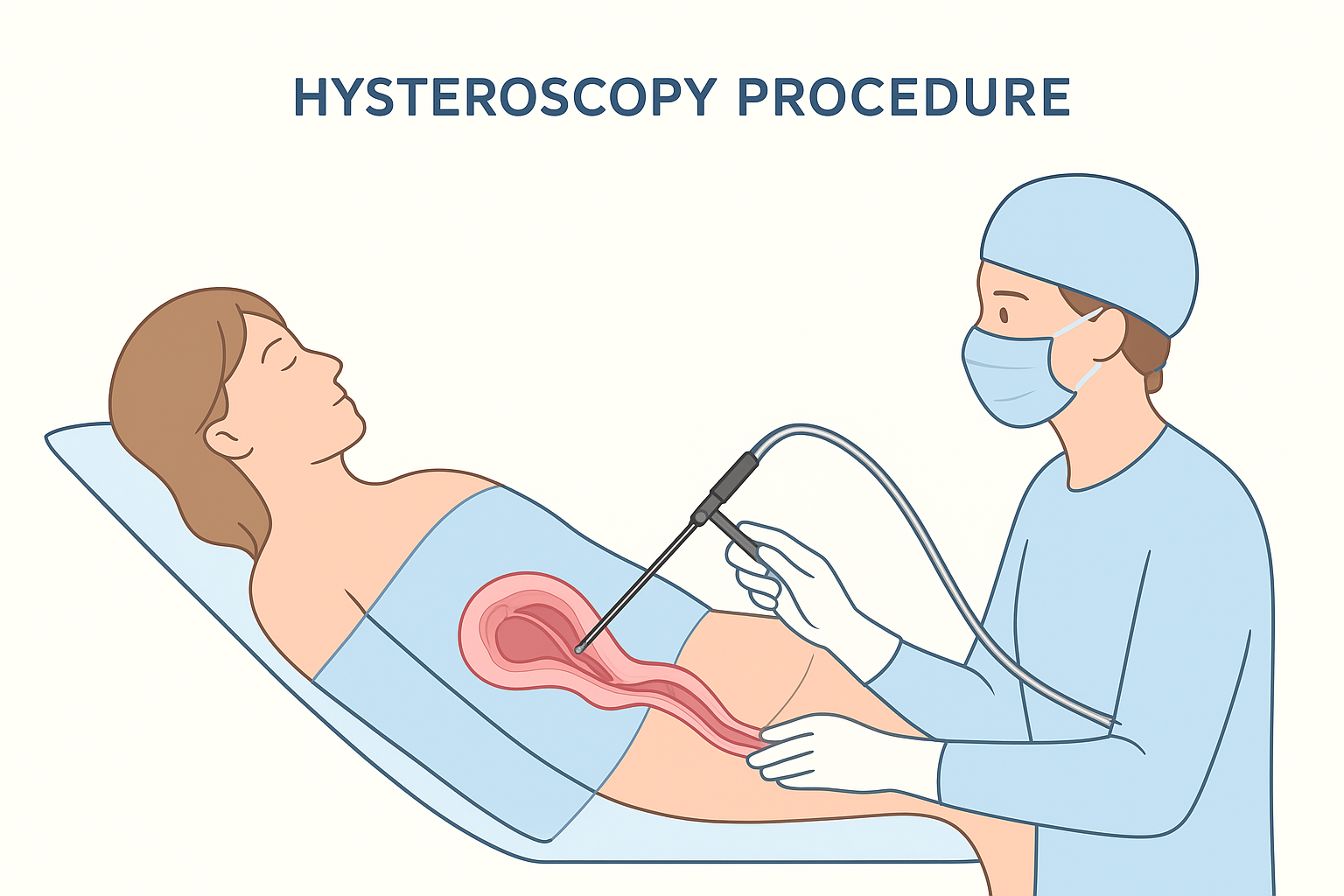
A thin, lighted telescope called a hysteroscope is inserted through the vagina and cervix into the uterus. This allows the doctor to directly see the uterine cavity and check for issues like polyps, fibroids, or adhesions.
If minor problems are found, they can often be treated immediately during the hysteroscopy. After the procedure, you’ll be monitored briefly and can usually go home the same day. The doctor will guide you on next steps for fertility treatment.


Eva IVF is a world-class fertility center committed to patient-first care. We provide advanced fertility treatments using the latest technology in a warm, comfortable, and homely environment. Our mission is to help our clients achieve their dream of becoming happy parents.