
Endometrial PRP

Endometrial PRP
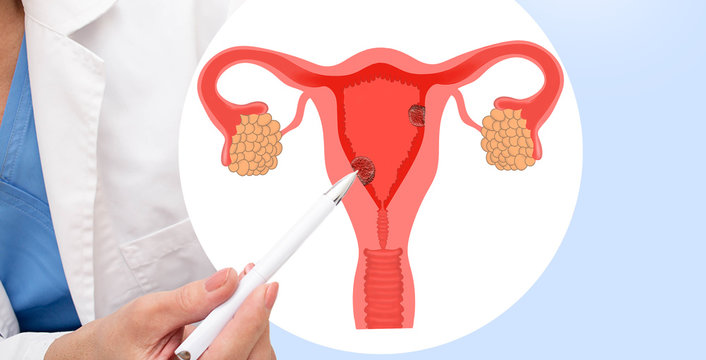
Thin Endometrial PRP (Platelet-Rich Plasma) therapy is an advanced treatment used to improve the thickness of the uterine lining in women facing fertility challenges. A thin endometrium can reduce the chances of embryo implantation during IVF. PRP is prepared from the patient’s own blood and injected into the uterus. It helps stimulate tissue growth and enhance blood supply to the endometrium.

Who Needs PRP for Thin Endometrium?

This treatment is recommended for women with persistently thin endometrial lining despite hormonal therapy. It is often suggested in cases of repeated IVF failures due to poor implantation. Women with reduced uterine blood flow may also benefit from PRP therapy. The procedure aims to create a healthier environment for embryo transfer.
Success

At Our Hospital

With centers located across the region, we are committed to providing every community with excellence, accessibility, and compassionate care wherever you are.

Benefits of Thin Endometrial PRP

PRP therapy is minimally invasive and uses the patient’s own blood, reducing the risk of reactions. It may improve endometrial thickness and increase implantation rates. The procedure is quick, safe, and usually painless. It provides a promising option for women struggling with thin lining issues.

High Success Rates

Expert Specialists

Affordable Services

Procedure and Safety

The process begins with drawing a small amount of blood from the patient. The blood is processed to concentrate platelets and growth factors. The PRP is then gently infused into the uterus using a thin catheter. Most women can resume normal activities immediately after the procedure.

Blood Collection & PRP Preparation

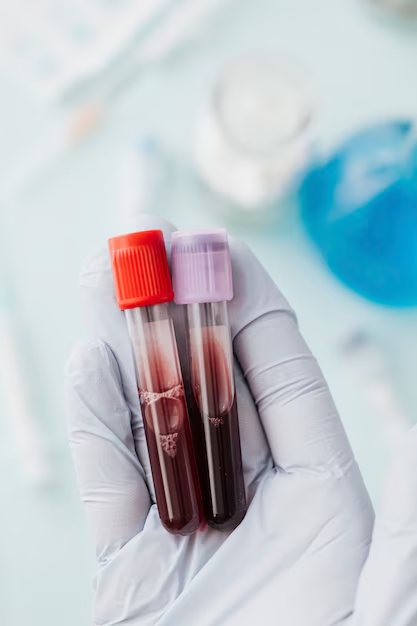
A small amount of the patient’s blood is drawn and processed to separate and concentrate the platelet-rich plasma (PRP)

Step 01

Uterine Infusion

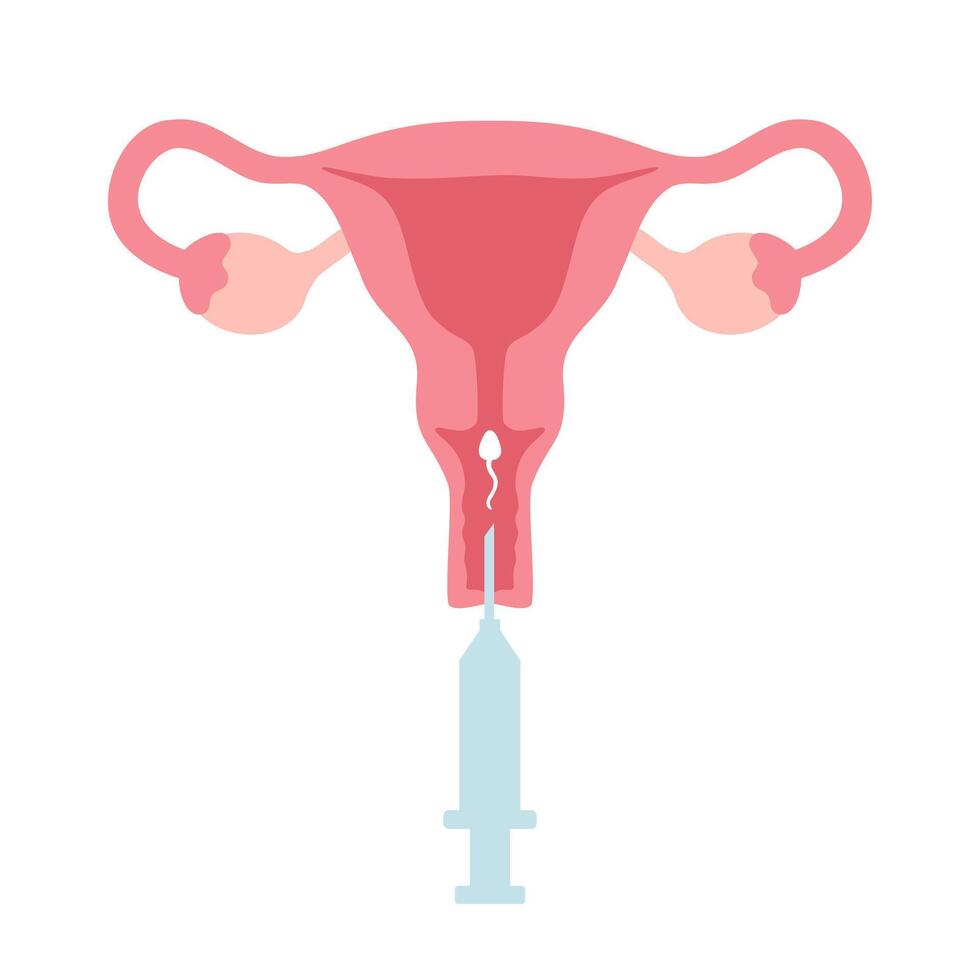
The prepared PRP is carefully infused into the uterine cavity to help improve and thicken the endometrial lining.

Step 02

Monitoring & Embryo Transfer

Endometrial thickness is closely monitored through scans, and once optimal thickness is achieved, the embryo transfer is performed.
Step 03
Prp
Monitoring & Embryo Transfer

Frequently asked question

The procedure is generally painless and similar to embryo transfer.
It usually takes about 20–30 minutes.
Since it uses the patient’s own blood, side effects are minimal.
Transfer is planned once the endometrial thickness improves.
Results vary, but it has shown promising outcomes in selected patients.