
Intra Ovarian PRP

intra ovarian prp
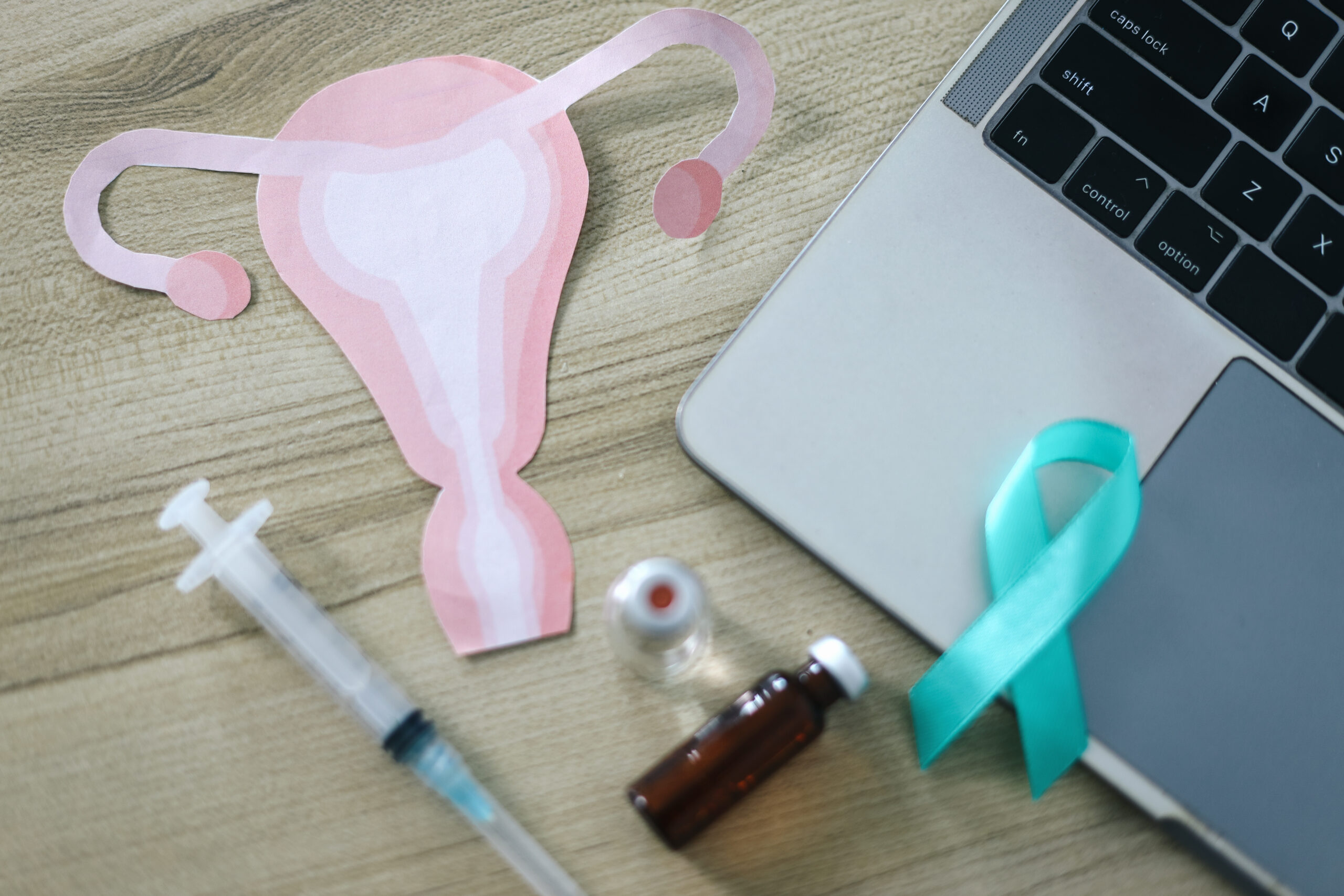
Intra Ovarian PRP (Platelet-Rich Plasma) is an advanced fertility treatment designed to improve ovarian function and egg quality. In this procedure, PRP prepared from the patient’s own blood is injected into the ovaries to stimulate natural regeneration and enhance fertility potential.

PRP contains powerful growth factors that may help activate dormant follicles and improve ovarian response. Research suggests intra-ovarian PRP may support better hormone profile and oocyte quality in women with poor ovarian reserve.

Intra Ovarian PRP

Low AMH levels, poor ovarian reserve, and premature ovarian insufficiency (POI) are key factors that can significantly affect a woman’s fertility potential. These conditions often indicate a reduced number or quality of eggs in the ovaries, which may lead to difficulties in achieving pregnancy naturally or through assisted reproductive methods. Women experiencing repeated IVF failure or poor egg quality may also face challenges due to age-related fertility decline, as egg quantity and quality naturally decrease over time. Early diagnosis and appropriate fertility guidance can help in choosing the most effective treatment options and improving the chances of successful conception.
Success

Our Hospital

With centers across the region, we are committed to delivering accessible, compassionate, and high quality care to every local community we serve.

What Is Intra Ovarian PRP

The procedure is minimally invasive, usually performed under ultrasound guidance, and uses the patient’s own blood, which lowers the risk of allergic reactions. It is commonly considered for women with low AMH levels, poor ovarian reserve, premature ovarian insufficiency (POI), or repeated IVF failure.

High Success Rates

Expert Specialists

Affordable Services

Intra Ovarian Process

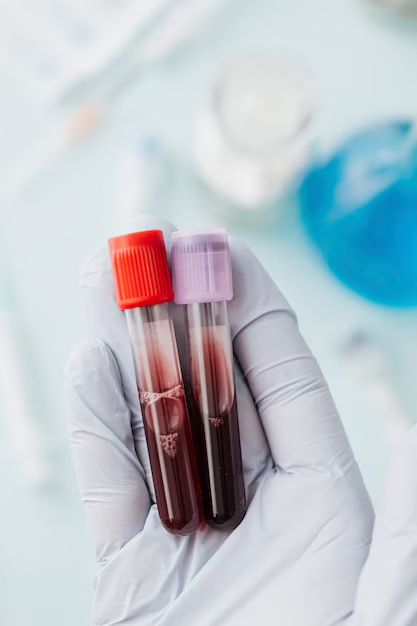
The Intra Ovarian PRP procedure begins with drawing a small amount of the patient’s blood, which is then processed in a centrifuge to prepare platelet-rich plasma (PRP). The patient is positioned comfortably and may receive mild sedation or local anesthesia. Using transvaginal ultrasound guidance, the fertility specialist carefully injects the prepared PRP into one or both ovaries. After the procedure, the patient is briefly monitored and usually discharged the same day, with follow-up tests over the following weeks or months to evaluate ovarian response.

Preparation Phase

Blood is drawn and processed in a centrifuge to prepare platelet-rich plasma (PRP); the patient is positioned and given mild sedation or anesthesia for comfort.

Step 01

Procedure Phase

Under transvaginal ultrasound guidance, the specialist carefully injects PRP into one or both ovaries using a fine needle.

Step 02

Aftercare Phase

The patient is briefly monitored and usually discharged the same day, with follow-up tests (such as AMH) over the next weeks or months to assess response.

Step 03
Prp
prp

Frequently asked question

The procedure is done under anesthesia or sedation, so discomfort is minimal.

Most patients require one session, but it depends on ovarian condition.

No treatment can guarantee pregnancy. PRP may improve ovarian response but results vary.

Usually within 1–3 months based on doctor evaluation.

IVF is usually started within 1–3 months after PRP, based on ovarian response and doctor evaluation.